Why We Don't Plan for the End of Life
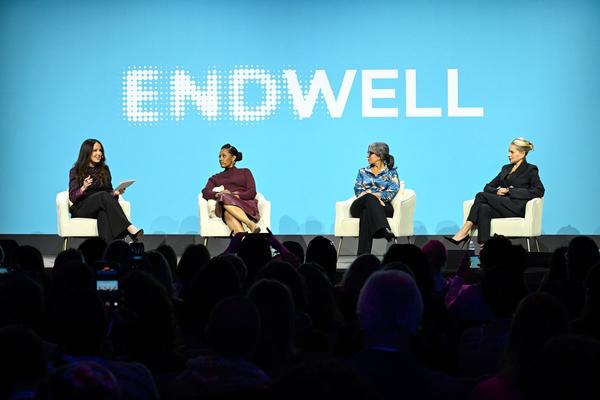
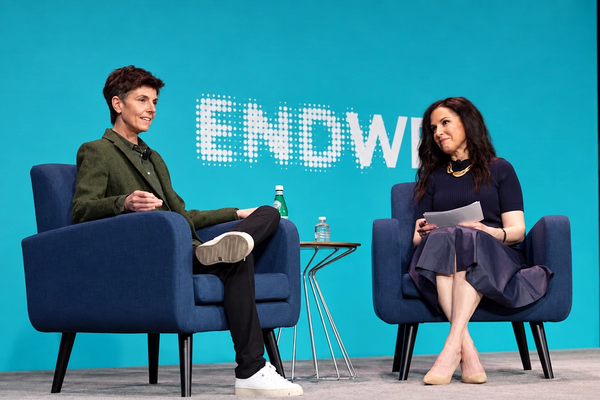
End Well Founder Shoshana Ungerleider, MD, reminds us that death today is hidden away in medical institutions. We don’t think about it, talk about it, or reflect on it. The result is a lack of urgency to plan for it.

February 11, 2020
Transcript
A hundred years ago, people died in their homes. We didn’t have modern technology or modern medicine. We didn’t really have hospitals as they exist today.
So the only thing we could offer people was, you know, the collective energy of family being around them, and maybe a couple of medicines that didn’t really work.
People would die in their dining rooms, surrounded by loved ones and often by multiple generations.
I think there was a different kind of acceptance that death was part of life because it was visible in everyday society. Young children saw older people dying, though they often weren’t actually that old because life expectancy was much lower.
We’ve made amazing advances in medicine, which is fantastic. But I think death is now partly hidden away in institutions.
And because we’re not thinking about it, we’re not talking about it.
We’re not reflecting on it personally or discussing it with the people we love. And then we’re not really planning for it.
For most people, especially when you’re young, there’s no sense of urgency. You always feel like, “Well, of course there’s tomorrow. I’m 30. No one dies when they’re 30.”
The reality is that we don’t know what tomorrow will bring.
Unless you’ve had an experience with a loved one or someone in your life who has faced a serious illness or loss, it doesn’t really hit home.
I think that’s our biggest challenge: creating a sense of urgency around this conversation.
That’s a lot of what we talk about at End Well, and what we’re trying to innovate around.
RELATED