Episode 13 | 10.16.25
Kirsty Parsons Meets Her Future Self
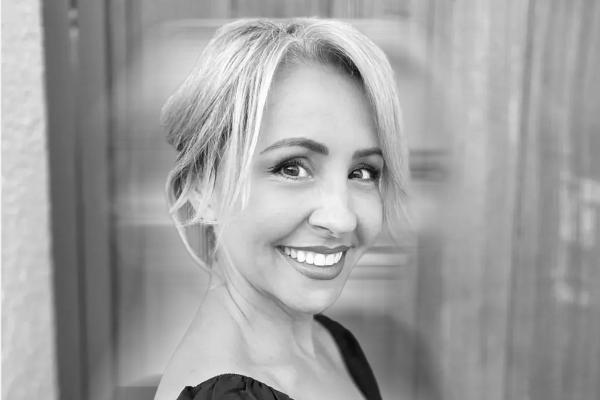
Kirsty Parsons and psychologist Hal Hershfield explore what it means to imagine a future you never expected to have.


How often do you think about your future self? For Kirsty Parsons, who was diagnosed with cystic fibrosis at birth and told she likely wouldn’t live past her twenties, imagining a long future wasn’t even an option. But a groundbreaking new medication has changed everything. And suddenly, Kirsty is facing a future she never planned for.
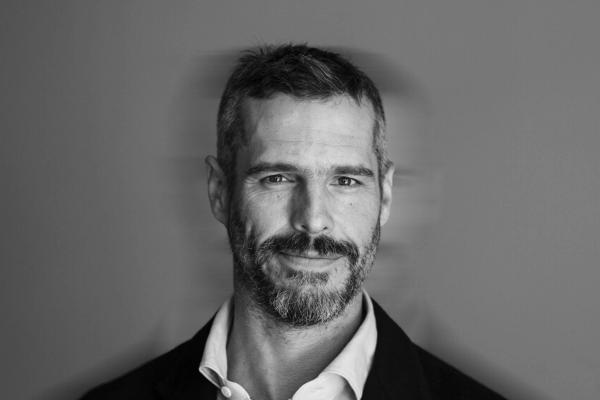
Psychologist Hal Hershfield is a researcher who studies how we make long-term decisions — and why we often fail to connect today’s choices with tomorrow’s consequences. Together, Kirsty and Hal offer two sides of the same question: What happens when you finally meet your future self?
Transcript
Cold Open
How often do you think about your future self? It’s something my friend, psychologist Hal Hirschfield, thinks about all the time.
Hal: So, I'm Hal Hirschfield. And I primarily study how people make decisions, especially ones that have consequences over long periods of time.
Shoshana: And so how did you first start thinking about this idea of a future self?
Hal: Yeah, so much of it started honestly in the space of financial decisions, you know, so this started almost, almost 20 years ago, looking at, you know, what economists have called the, you know, retirement crisis.
Hal was in graduate school, a year away from receiving his PhD in Psychology. It was 2008, during what’s become known as the “Great Recession.” The stock market crashed, wiping out trillions of dollars in retirement savings. And Hal began to wonder why people were so eager to take risks with their financial future.
Hal: My advisor had said to me, you know, psychologists should have something to say about these very important financial decisions. And that, that, that really pulled a thread for me on what do people think about when they think about the long run. And then I quickly realized that sort of question doesn't just apply to retirement. It applies to health and it applies to ethics and environmental decisions and, and, and death and dying. All of these things are under the same umbrella.
Hal was trying to figure out why so many of us make decisions that won't serve us in the long run, and he came to a rather surprising conclusion.
Hal: Maybe we just don't think of our future selves as if they're really a connection of who we are now. Maybe they're almost like another person. And if that's the case, then, then what should matter for decisions is the relationships that we have with our future selves. In the, in the same way that what matters for how I treat other people is the type of relationship I have with them. If I'm close to them, I'll do things for them, and if I'm not, if they're a stranger to me. Then I'll go about my business and not really take care of them. And I had come across some neuroscience research that suggested that the brain basically can tell what's me and what's not me. There's a different, you know, signature pattern for when I think about you or when I think about, uh, a friend compared to when I think about myself.
Hal designed a study to try to evaluate this. He used FMRI –
Functional Magnetic Resonance Imaging – a type of brain imaging study to look at how blood flow in the brain shifted when people thought about themselves today and as their future selves.
Hal: What we found is that sure enough, when people think about their future selves, the pattern of activity that arises is very similar to what arises when people think about another person. And, and I should say, you know, we, we, we did it again, we like ran the study again and the same thing came up and other labs have done it too. So it, it's a, it's a strange but real finding.
Shoshana: Yeah. It's such a striking idea that we treat our future selves kind of like strangers. Once you landed on that insight, I imagine it really opened up new ways of understanding why we struggle with long-term decision making. So why is it so difficult for us to make decisions that will improve the lives of our future selves?
Hal: Well, yeah, no, exactly. You, you, you hit the nail on the head, which is to say that if, if my future self is, is functionally like another person. Then in some ways it starts making a lot more sense why we, we almost mistreat them, right? You know, if, if my doctor tells me to cut back on certain foods and habits 'cause oh, this is gonna have a negative impact on your heart health, et cetera. Well, the, the one problem with those sorts of statements is that I might not think about it as my cholesterol or my, you know, potential for cardiac events. It's
Shoshana: Hal, are you telling me you don't listen to your doctor's advice? Come on.
Hal: Let's not go there. Let's not go there. But yeah, you know, all of a sudden it's like, well, who cares? That's not me. That's some other guy. And I'm obviously making this an extreme, but. If that is the way on some deeper level that I think of my future self, then yeah. It's, it's like, you know, saving for retirement, giving, it's like giving money to a stranger, right. You know, needing to sit down and make a living will so that things could be better if, if X, Y, and Z happens. Well, it's not me, it's somebody else.
I’m having this conversation with Hal because I recently met a woman named Kirsty Parsons, a Kiwi — and the cousin of a dear friend of mine. Kirsty was born with cystic fibrosis – or CF. And back in the early 90s, when Kirsty was born, her parents were told that she was unlikely to live
into adulthood.
But recently, a new medication has changed everything. She now has a full life ahead of her. One she really hadn’t planned for.
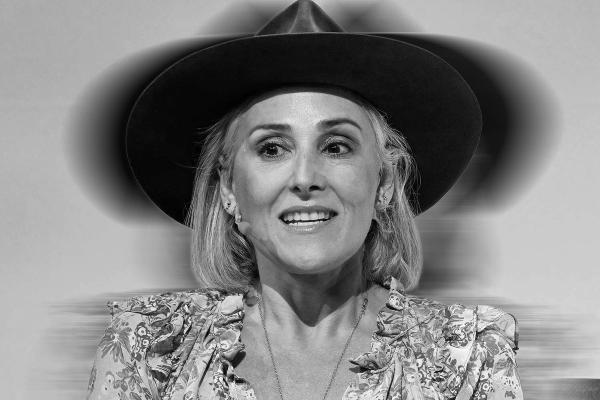
I’m Dr. Shoshana Ungerleider and this is Before We Go. This season, we’re in conversation with people from all walks of life, exploring how we live alongside mortality.
Today’s episode: Kirsty Parsons meets her Future Self.
Ad break: 5:20
Act I
Kirsty Parsons has been sick since the day she was born.
Kirsty: I had meconiumitis, so that was when I didn't pass my first like bowel movements. So I was about, I think, 12 hours old. And the doctors realized something was not quite right. So I got flown up in a helicopter, the national hospital in New Zealand and underwent huge surgery straight away, , to take out about 10 centimeters of my intestine. So yeah, very, very early on.
Shoshana: So you were diagnosed with cystic fibrosis, and this was in 1993. What were your parents told about what your life would be like and, and maybe how long you would live?
Kirsty: I mean the medical world back then was completely different to what it's like now. There were people, you know, living in their twenties, thirties, but yeah, it wasn't a great outlook.
Kirsty says her parents were strict – but they had to be. As a child with CF, she needed daily treatments in order to stay healthy.
Kirsty: So for people with cystic fibrosis, we have a lot of lung infections, so that's like most of our daily care is, is related to our lungs. I would wake up in the morning and kind of roll out of bed and the first thing would be an hour of physio. So chest physio and nebulizing, medicines, so that would be about an hour in the morning. It would make you cough a lot. The, the aim was to bring up as much phlegm as possible.
Kirsty: We had old school, like a tipping table. So I would lie on a table that was kind of tilted down my head and my chest was, was lower than my feet. And we had a physio that would come in every morning, um, before school for half an hour and do percussion. So like clapping her hands all over my chest and my back to loosen up all the phlegm. And then I would do breathing exercises to, to bring it up and, and to be able to cough it out.
Shoshana: That sounds like a lot. Every day. Oh my goodness.
Kirsty: So that was in the morning and then we would repeat it at night before I went to bed as well.
Shoshana: Wow.
Kirsty: Yeah, twice a day. Yeah.
Shoshana: As a child, as a young person, that's just so much, you know, I, I guess it was your life, so it was totally normal for you. But it's a lot to do to, to stay healthy. what was it like for you to know that you were not likely to live anywhere near as long as your friends and your classmates like, did it change anything for you?
Kirsty: I, I don't know. That's something I've never really been able to wrap my head around, I think because I was born with cystic fibrosis. It's all I've ever known. It was in my subconscious, there was always kind of this like dark cloud. If I thought too much about it, it was obviously just like not a nice feeling. So my mentality was very much, you know, live in the present. I, I just packed as much as I could into life. You know, what people might wanna do in seven years I was, you know, said to myself, I've got one year to achieve all these things. The life expectancy thing. I, it was kind of like the, the elephant in the room, I suppose
Shoshana: Yeah. I've heard that a lot of children, young adults with CF, don't even consider going to college. 'cause they're like, what for? Is that, was that something that factored into your decision making?
Kirsty: For sure. It did. Like, especially days where I felt sick, you know, lacking energy and, and there was definitely moments, but yeah, there's, there's a lot of stories in the sea of community worldwide of, even people not wanting to wear a sunblock because they think, you know, like, I'm, I've got CF, my life expectancy isn't great. I don't need to worry about wrinkles or skin cancer, you know.
But Kirsty’s parents encouraged her to go to college and build a career. They wanted her to have dreams and to think about her future…even if her life wasn’t going to be as long as they
Would’ve wanted.
Kirsty: I think mom and dad have both been incredibly practical people. And, you know, they brought us kids up to be very independent and to never, there was never any limitations. It was very much like, you know, we can do anything we really want to.
Most of us grow up with an understanding that we’re likely to outlive our parents. But for Kirsty, that never felt like a possibility. Not even when her mother was diagnosed with cancer in 2012.
Kirsty: She didn't make a big deal of things. So I think in her, true to her style, I think she, she told us, but very much in a way like, you know, I've been diagnosed with cancer. It was bowel cancer. Did catch it a little later on, but you know, she kind of said straight away, we are gonna get on top of it. You know, I'm doing lots of research. There's nothing for you to worry about. That was the way she approached everything.
Kirsty’s mom underwent three straight years of chemotherapy. She even participated in a drug trial. Meanwhile Kirsty finished her undergraduate degree and moved to Scotland, where her mom had grown up, to get her Master’s.
Kirsty: I was coming up to my holidays, so I had already booked a trip home. I was gonna come home with granny who lived in Scotland as well, so mom's mom. I knew mum was getting ill, quite ill, but I didn't quite realize the severity of it. And then about a week before I was due to fly, I got a phone call from my sister, my younger sister, Sophie. And she was in tears. And she said, you know, mum's only hanging on to see you. You, you need to come home straight away. And so, yeah, that was a pretty difficult conversation to have. And I realized I, you know, changed my flights and, and flew home the next day.
Kirsty: She was obviously very, very ill. She, she didn't look like herself either. Those were hard days at home, I think seeing her in her home and, and struggling big time. And then she did move into the hospice, um, and I think she was in the hospice for around 10 days before she passed away. And actually I look back on those, those days in the hospice and they were really special. Um, you know, there, there was definitely some uncomfortable moments and, and seeing your mum who's always been the source of strength and to see her, becoming so weak and, and dying is, is really difficult. But also those were some really, really special moments we had together. And my sister and I spent all day in the hospice with her, and it was just so peaceful. The nurses there are amazing, um, friends would come in and visit. And I think looking back on it, you know, that was when we started to grieve and, and we were able to say goodbye to her. We have some very special memories or I think back on that time, which, you know, was not an easy time, but I actually think back on that with some, you know, really special, happy memories.
Shoshana: Oh, well, that's, that's wonderful. I certainly share, you know, the, the same bittersweet feelings when my dad was, was dying. So it's such a gift, despite how hard it is to be saying goodbye.
Kirsty: It is. We were fortunate we could spend that time with her and, she lost her ability to communicate. But I think, you know, she, she really cherished those times as well. You know, we could, we could tell that, and that was what was most important to us, I suppose.
Shoshana: Yeah, and after a really big loss like that, you know, most people I'd imagine would, would take some time or, or drop out of uni for a while, put their life on hold so that they can, can grieve and get things in order. Um, is that something that you felt you had time to do?
Kirsty: Not really. No. Um, I don't know if this is a not a fault, but this is a characteristic of me is that I don't really slow down or I, I don't, yeah stop. I had my, my degree to go back to and all of the exams, so actually while, you know, we were spending time with mom in the hospice during the day, I was often, you know, in the corner studying for my exams or finishing my final assignments. I, I, for sure I could, you know, postpone, my degree and, and assignments and exams, but there was a knock on effect that it would have, um, in terms of internships and jobs. And then, you know, my true to my mentality, I thought, you know, there's all these things I want to achieve this year and next year and, and the following year, because I don't know what time I have left.
Kirsty: I flew back to England, pretty soon after, and then just got straight into exams which was me kind of, pushing everything to the side, which I've become very good at, I don't know if that's a good thing or a bad thing, but Yeah. Just, yeah.
Shoshana: I share some of those traits myself, so I, I get it. So at this point, you're in your early twenties. You've described yourself as being really stubborn. How so?
Kirsty: I think like with growing up with a serious health condition, each day you're kind of getting up and, and you've got to be stubborn because you're fighting, you know, you're fighting a long battle. And there are some really tough days where I had to really be very stubborn. I don't wanna say no to anything, you know, I, I'm someone who says yes to everything, even if it's not a good idea. Friends were, you know, in their twenties traveling Europe and going to all these cool places and these amazing weekend adventures. And obviously I wasn't gonna miss out on that. So I would say yes, and, you know, I'd fly from the UK to somewhere in Europe for a weekend. Take all my medicine with me. I'd be sick anyway going into the weekend. And I thought, well, I'm gonna be more sick after the weekend, but I'm not gonna say no.
Kirsty kept saying yes to everything, determined not to miss out. But over time, the constant travel, work, and pushing through illness began to take a toll.
Kirsty: I was kind of burning the candle at both ends really in terms of, I had this really cool job opportunity, which was one of my big goals when I moved to the UK. So I was working really hard and, and like loving, you know, having a career. And then obviously my health at that point I thought, you know, that can take a backseat. I was doing, you know, all my medicines and going to all my hospital appointments, but, you know, your body just gets really run down.
Kirsty: Yeah, that's when I started to get quite sick. I was in hospital being admitted probably three or four times a year, for IV antibiotics at that point. Just constantly had a cough, always had chest infections. Um, my energy levels were really, really low. I was struggling to, you know, like walk…I remember one test that we did in the hospital and I had to walk down the hospital corridor and even just walking that length and talking was, was really difficult. I would just run out of breath straight away. Everything was becoming yeah, really difficult. And some things are wee bit demoralizing, I suppose, because I just wasn't getting better. Looking back on, on those days, I kind of think, what was I doing? You know?
Shoshana: You were living.
Kirsty: I was living, yeah.
Shoshana: Living your life.
Kirsty was in her twenties and she had been told not to expect to live past 30. She wasn’t making decisions that would benefit her future self, because she didn’t expect to have one.
And then, in May of 2018, her doctor from the CF clinic in Manchester called her with an offer that would change her life.
Kirsty: He said, look, there's this new medicine coming out. The lab results are looking really promising. Really good. And I would love to get you on the trial. The medicine didn't even have a name at all. There had been a few trials, but this was early on and I think there was 500 spots worldwide, um, at this point in the trial. And he had two to give away. Within his clinic or within the Manchester Clinic, there was, hundreds of patients. I was just very, very lucky.
Kirsty showed up at the hospital where, under the watchful eye of a few nurses and her doctor, she took two pills.
Kirsty: Obviously I couldn't be told too much about this medicine because of placebo effects and all of that, but there was, I suppose there was like a lot of excitement in the room. So I had my first two tablets and then, you know, stayed the morning in the hospital just to make sure there were no side effects.
Kirsty: At this point in the trial, it was a double blind placebo. I didn't know if these two tablets were placebo or the real thing. But my doctor said, you know, if, if it is the real thing, you're gonna notice within the next couple of days, and I'll just be coughing up lots and lots of phlegm. They call it the Purge, which is not the most glamorous, exciting name.
Shoshana: How long did it take to realize that the medication wasn't working?
Kirsty: Um, for me it was probably about three months into the trial.
Kirsty’s doctor had told her to expect to feel better in a few days. But Kirsty had no frame of reference for what “better” would feel like, and it took her a while to realize that … nothing was happening.
Kirsty: And I thought, well, yeah, I'm not really, I'm not noticing anything. I was still getting progressively sicker and needing other medicines. So I think that was our indication that it, either wasn't working or I was on the placebo.
But Kirsty’s care team told her not to give up hope.
My doctors and, and the nurses said, you know, please just stick through this six month trial because the end goal is everyone rolls over onto the open label. And that's where everyone gets the medicine.
You’re listening to Before We Go. We’ll be right back.
Ad break: 19:13
Act II
After spending six months on the placebo, Kirsty rolled over to the open label trial of the new drug for cystic fibrosis. The blinded part of the study was over, and now everyone in the trial — would definitely be given the real drug, and not a placebo. And there was a lot of excitement about the drug in the CF community.
Kirsty: There was obviously a lot of research papers coming out about the medicine. There was really, really clear evidence that it worked amazingly well. There was a lot of excitement that this could be the medicine that really everyone had been waiting for, for generations and lifetimes. And if this was gonna work, it was gonna be like a, a huge, huge moment in the CF community.
A huge moment for the CF community, but an even bigger one for Kirsty. Over the past few months, she had been getting sicker and sicker…waiting for her turn to take the new drug.
Kirsty: At that point, I would've been needing a double lung transplant and I would've been, you know, my quality of life would've been awful. I think everyone could just like breathe a sigh of relief knowing, right, we've got this far, like it's all gonna be good now. And also, I mean, there's, I suppose this slight thought, you're like, maybe it won't work for me. We are still in a drug trial.
Kirsty had been through the ups and downs of cystic fibrosis for her whole life. It was all she knew.
Kirsty: Years of being on strong steroids, years of going in and out of hospital on strong, like intravenous antibiotics. And all of those medicines, they would, you know, within 10 days they would make me feel better, but they would never cure anything. They would never get me back to where I should be. And then, you know, within a few weeks later, I'd be sliding back down into to poor health.
But this time, it was different.
Kirsty: It was within the first few days, which is mind blowing. I was just sitting there and I had always struggled to bring up phlegm and to clear my lungs. My phlegm was just always very thick and just like concrete in my lungs. So my lungs were just filled with concrete and, and I just could never move it no matter how much physio I did or, or anything. And then, yeah, I remember sitting there a couple of days after starting the Open Label trial, and I hadn't even moved. And all of a sudden I just coughed and this plug of phlegm just came up and I was like, where has this come from?
Kirsty: I don't know, this sounds like a very sci-fi esque kind of thing, but this monster that had always been in my lungs and holding me back and just being able to cough it all up, um, after years and years of trying and fighting it and just being able to get rid of it all and just saying goodbye to it was, was really cool.
Kirsty: I could just feel my whole body changing really. Within the first few days or the first week, I would wake up and I had more energy than when I went to bed. And that had never happened in years. You know, I would wake up every morning more tired than the previous day, and coughing more. And then all of a sudden within this first week, my, my cough was disappearing, which was almost a sad thing, you know? It was like, it was synonymous with me. It was part of my identity, was just this constant cough. And that was leaving. I describe it as being picked up and put in a brand new shiny body where everything was squeaky clean, everything worked. It was like a well-oiled machine. And then I just felt, you know, unrecognizable in a way.
Then in 2020, Covid hit. As long as Kirsty stayed on the trial, she would have free access to the drug. But that meant that she needed to go back to the clinic in Manchester every three months for tests.
But Covid was really hard for Kirsty. She was stuck inside, thousands of miles away from family and friends. Meanwhile, New Zealand had strict borders but was virtually Covid free. Kirsty decided to move back home.
Kirsty: The consequence of that was that I had to fly back to the UK every three months during Covid and like the Global Pandemic, in order to, go to Manchester for this four hour, five hour hospital appointment, get my next set of medicines for three months, and then fly back to New Zealand, go through two weeks of, of quarantine.
So that was two weeks in a hotel room. You could go out for 20 minutes a day for some exercise or walking, but otherwise it was like, you know, staying in a hotel room by yourself for two weeks.So that was, that was seven, seven trips I did back to the UK during Covid. Seven round trips and then also seven stints in New Zealand's like managed quarantine.
The drug wasn’t yet available through New Zealand’s managed health care system, and so it was either fly back and forth to the UK – or pay hundreds of thousands of dollars a year
to privately fund her treatments.
Kirsty: There was also a black market version being made in, I think, South America that some people were accessing. I don't know much about it, but yeah, you can kind of get an idea of some of the lengths that people were going to, to, to access it because it was lifesaving and you don't have years to wait.
However CF patients are able to access the medication, it doesn’t work for all of them.. Some patients have side effects that force them to go off the drug. And there’s a list of reasons why a patient might not be eligible. .
But Kirsty says there are some people who are eligible for the drug who choose not to take it.
Kirsty: So there's definitely, some people in in the CF community around the world who have struggled, I think especially teenagers, who have like grown up with CF and, and thought, you know, this is their life and they are going to, pass away young. And, and I don't know if they've come to terms with it. Their mentality is that, yeah, I, I don't want to take this medicine or I don't, I don't need it.
But through all of it – the flights back and forth to the UK, the tests, the expense – Kirsty never wavered in her decision to take the drug.
Kirsty: As time went on, knowing that this was the new normal, that I was actually stable and consistent and my lungs weren't gonna fill back up or a new infection, wasn't gonna come in and start bleeding and, damaging my lungs or anything. It was the fact I could just stay so stable, was a huge relief. And that was what I completely underestimated. And the whole thing was, you know, there was all this physical change, but the mental change was really big as well.
Shoshana: Well, so I wanna talk a little bit more about that. What was it like emotionally to be facing a life that was so different from the life that you'd expected?
Kirsty: I'm still, you know, it's been seven years that I've been on this medicine now, and I'm still getting my head around it. You know, especially the first year on the medicine, it was like euphoric. It was great. And everyone around me who, you know, would see me and old friends who would catch up, they, everyone was blown away. Like my family was blown away and they were also very relieved, you know, 'cause they had started to see me get really, really ill. And so to see the impact it had on my whole community and, and the CF community as well was, was so exciting that first year. And then I think you, I kind of got back to, okay, this is now normal. Like, this is what life is gonna look like. I've now got to start planning for a long life, which I never did.
Kirsty’s parents had always encouraged her to go to college and pursue a career.
And Kirsty had done those things.
But she had never thought about saving money for retirement or having kids or
doing the other things that people with an average life expectancy think about.
Kirsty: I had achieved all of my goals and now I had, you know, nothing to kind of aim for, nothing to, I dunno how to explain it, but just re-planning life from the beginning again. I was, yeah. In my late twenties at that point, a lot of friends were getting married. They were very settled, like they were buying houses. They were already kind of five steps ahead of me, and I kind of had to readjust all of these expectations and, um, it was a bit confusing. Some of it, yeah.
Shoshana: You mentioned your friends in their late twenties and early thirties, getting married, having children. What do you imagine for yourself, what does living well mean to you today? And what, what do you want for your future?
Kirsty: Um. To be like, I don't know. I think that's something that I'm really puzzling over at the moment. And I'm also, I think most importantly I've learned that, you know, happiness is, is really important. And that no matter where you are in the world or what's happening, it's all about, being grateful and, and happy with, with what you have and where you are and, and enjoying the little things. Um, so that's what I'm really focusing on kind of right now, as cliche as it sounds. It is a bit of a rollercoaster and, and I'm kind of just regrouping a lot. I, I kind of mentally said to myself, I'm gonna give myself a few years of just enjoy life and, and regrouping.
Kirsty: It's been more difficult than what I thought. And also no one prepares you for it. People get diagnosed with, with a terminal illness, very often the reverse barely ever happens. You know, where you are given a whole life to live. There's no handbook. There's not people that you can really go to, to, to talk about who have been in a similar situation. So it's very much like figuring out as you go along. A few years ago I went in and saw a therapist, which was amazing. That was hugely beneficial. And we just unpacked a lot of stuff and I remember her kind of saying, you know, you, a lot of what you're talking about is trauma. You've gone through a lot of trauma. And I kind of thought, no, I haven't been through trauma. Like trauma is when you know you've been abused or you've lived in, you know, like really, really tough conditions, or you've been treated poorly or, you know, I've been surrounded by amazing people who have wanted to do everything to get me good. But, but actually once we kind of talked about it all I realized, no, there has been a lot of big, big things that have impacted the way I look at life and the way I treat things. So now I'm, I'm learning to just pace life, like go slower, and I don't need to achieve everything tomorrow.
I told all of this to my friend, Hal Hirshfield, who studies how people think about their future selves. What would he say to someone who never thought that they would have a future self, and therefore never planned for what that future self might need?
Hal: I think having some compassion for herself and her past self is important. You know, we, we've spent this whole conversation talking about future selves, but to some extent our past selves are also different people and. I think you can get stuck in the regret, or you can also try to step in the shoes of your past self and recognize that the decision that she made then was a very rational one.
Kirsty’s situation is unusual. But we all deal with decisions that our past selves have made that make our current life a bit more difficult. Maybe we left a job or relationship that we
should have held onto? Maybe we passed on the opportunity to travel …
or maybe we traveled too much, and are now saddled with debt?
Hal: And it's hard sometimes to remember the emotions and the fear and the, and, and also the rational perspective that our past selves may have had. But if we do that, I think we can start forgiving them and then we can also, you know, move on. There is research that suggests that real genuine self-compassion that is, you know, like forgiving a past version of ourselves from making some decision or not doing something real, genuine self-forgiveness in that regard is a key component to moving forward.
Kirsty doesn’t seem to have a lot of regrets. But she does sound a little wistful when she talks about friends who have bought houses and started having children. I asked Hal what he would say to that.
Hal: You know, there are some things where doors have closed and there are other things where it may not be too late and you know, I mean, there's some cheesiness in this phrase, but I really like it. You know, the best time to plant a tree was 20 years ago, and the second best time is today, right? You know, for right now it may have been better to start those decisions earlier, but there's nothing to stop that from happening now.
I asked Hal if he had any advice for the millions of people who might be thinking about their future selves for the first time.
Hal: Hmm. What – What a gift. In a way. I think it's probably an opportunity to start thinking about what, what she and others, you know, what they want. A five years out future self, a 10 years out future self to look like. How are they spending their time? Who are they with? What are they doing? Are they working, not working? What do each of those periods look like? The, the other thing I would say is. Also recognize that that future self is not static. That, you know, it may change, it may look very different than the way they, they think it will be. And that's also an opportunity to continually reinvent and revisit, their future self. And, and that's also a gift that's also an amazing opportunity.
For the most part, Kirsty has adjusted to her new normal. And she doesn’t spend a lot of time regretting the decisions she made when she thought she’d never have the chance to grow old.
Kirsty: I keep having to pinch myself, and that's what these kind of conversations are, are, are so nice to have every now and then because, I never forget, I have cf, but my day-to-day is just never, ever limited by it. You know, it, it's something that's still there, but I, it's just, I never ever have to make decisions in my life factoring in cystic fibrosis anymore, which is such a great thing to be able to do. Life is great. Um, I'm able to, you know, go for runs and for bike rides and do I love the outdoors. I do lots and the outdoors and each time I push myself and it's exciting because my body can do it and my body's getting fitted and stronger. Um. And it's just, it feels quite limitless. So it's, yeah. No, life is, is very exciting. Very busy and very good.
Shoshana: What would your mom think? If she could see your life now?
Kirsty: She would be so happy. She's, she's a very strong woman. A bit kind of, could be a bit stiff upper lip, and I think it would just, it would make her very emotional. Yeah. It kind of makes me a bit emotional when I'm, I'm not a, an overly emotional person, but Yeah, thinking of her knowing. Yeah.
Shoshana: Yeah.
—
Next time on the show. When Fumiko Chino’s husband, Andrew, was dying of cancer, the cost of his treatment added more stress to an already unimaginably difficult time.
Fumiko: The bills that would come in the mail would be 10,000, 20,000. $50,000, ultimately over a hundred thousand dollars, $200,000. Right. But it's like the bills that come in the mail are like imaginary money and the money you have to take out of your wallet to get the medication to stop your husband from vomiting, that needs to be paid now.
Fumiko is now a radiation oncologist, working to address the toxic cost of healthcare. And she has an unlikely ally: Dallas Mavericks minority owner Mark Cuban.
Shoshana: I know you're a capitalist. This is about business for you, you've said you're not in it to maximize profit. What's the fire underneath all of this? What drives you to keep pushing when it would be easier not to, and just go sit and watch basketball games and hang out with your family?
Mark: I can't think of anything more fun than fucking up healthcare.
Shoshana: Okay, I'm gonna quote you on that.
Mark: I mean, what could be better? Healthcare sucks. Mark got involved. Healthcare's not bad right now. That to me is like winning a championship.
That’s next time on Before We Go.