Terminal Life: Living Fully After a Terminal Diagnosis
Living Fully After a Terminal Diagnosis
August 16, 2018

In July 2016, I took my lunch break at my favorite coffee shop in downtown Detroit.
Shortly after I arrived, without warning, I felt nauseous, like I might be sick. Instinctively, I laid my head on the shop’s marble countertop.
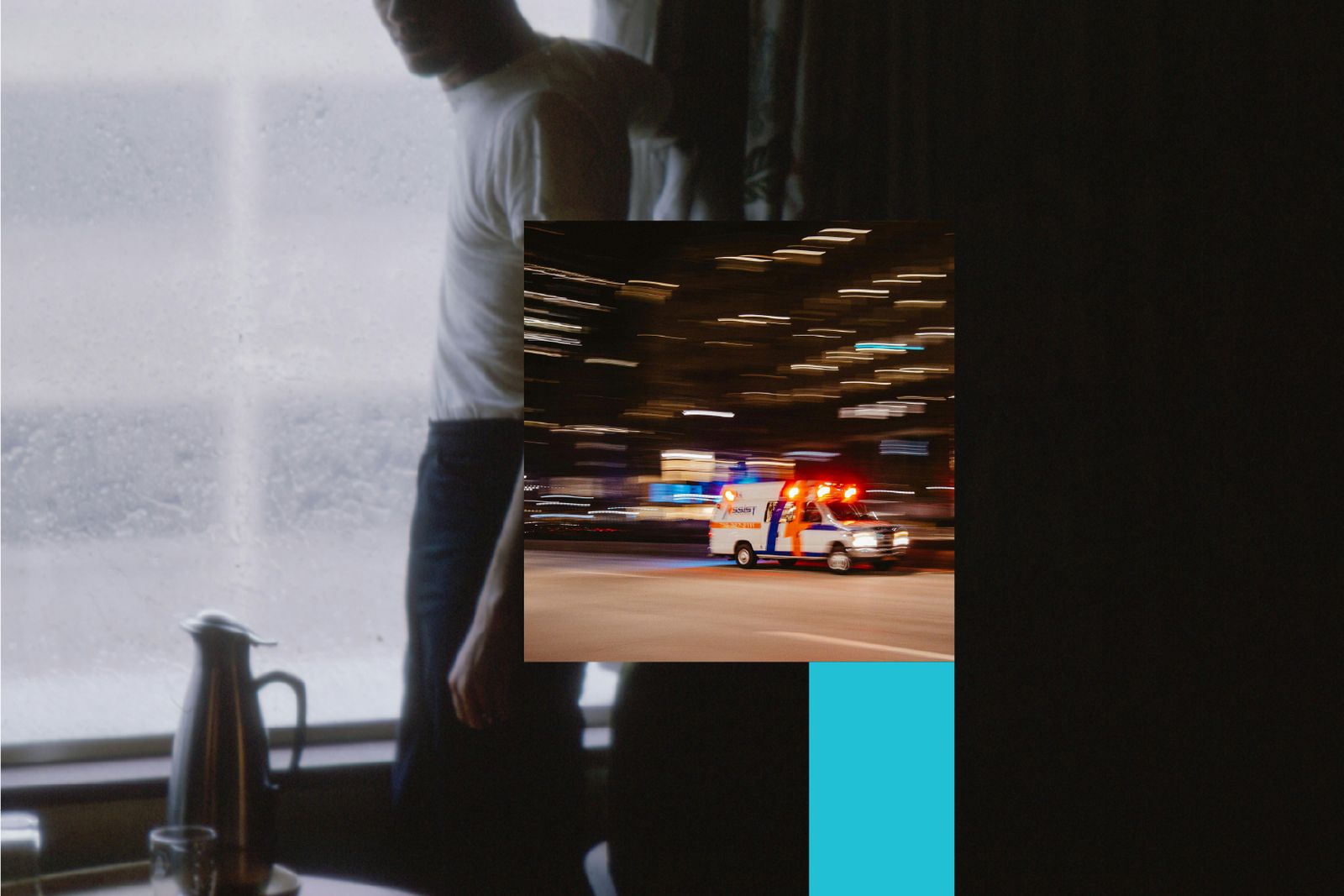
The next thing I knew, I was on the floor with somebody’s T-shirts under my head and an EMS crew asking me questions.
I was startled and scared.
I assumed that maybe I had worked out too much or consumed too much caffeine on an empty stomach. I remember wanting to get up and return to work, but the EMS crew was not keen on letting that happen.
“No, this could be something serious,” they told me. “We really think you should go to the hospital and get checked out.”
When I stood up, I realized how horrific I felt after hitting my head on the ground.
Then it was off to the emergency room.
A Brain Tumor
My boyfriend joined me at the ER. We told my parents to go home. After all, this was probably no big deal, or so we thought.
Then a somber-looking doctor shared the surprising news: I had a brain tumor.
They needed an MRI to determine whether I would be rushed into emergency surgery.
My whole life, and my perspective on nearly everything, changed at that moment.
[Author and End Well ePatient, Molly Marco]
I remember very little from the hours after hitting my head that day, but I do remember the MRI.
I recall trying quickly to make peace with a potentially devastating diagnosis. I thought about how much I loved my family and friends, and how most of the things I had been upset or worried about until that moment suddenly seemed downright stupid and petty.
It was a pretty ponderous and profound hour inside the MRI machine.
Fortunately, I did not require emergency surgery. That gave me time to find a surgeon who specialized in operations on the deep left temporal lobe.
My craniotomy took place in early October 2016 at Henry Ford Hospital in Detroit. My surgeon, Dr. Air, did an amazing job.
She safely removed what she could of the tumor without causing permanent damage to my speech or long-term memory.
Or close enough. My memory skills bit the dust, but I think they were already on their way out the door.
The Call
The scariest part was not the tumor or the surgery.
The scariest and most surprising part happened about 10 days later, when my neuro-oncologist, with whom I now regularly share links and videos, gave me The Call.
I knew I would receive a diagnosis during The Call, but I was expecting a low-grade brain tumor, an inconvenient butt-nugget living upstairs.
Imagine my surprise and terror when I learned that I had a grade 3 anaplastic astrocytoma.
Basically, a baby glioblastoma.
Most people have some familiarity with glioblastoma because of people like Beau Biden and John McCain. But many do not know that glioblastoma is a grade 4 astrocytoma.
When a brain tumor is graded 3 or 4, you essentially have a cancer with no cure that is likely to return at some point.
There is a genetic something or other here or there, and those markers offer clues about which treatments may work and what kind of encore performance you can expect.
But by and large, it is a terrifying diagnosis for a cancer newbie.
When my neuro-oncologist, Dr. Snyder, told me the diagnosis, I asked whether I could call him back.
He said of course, and told me that he and Nurse Francine would be available to see me at the West Bloomfield office immediately that day.
After agreeing to come in, I hung up the phone, stood on my front porch and screamed.
I wasn’t heroic, stoic or brave.
I screamed.
Choosing My Perspective
That was a pivotal moment.
I could not control my thoughts and moods all the time. But after allowing myself to experience my feelings completely, I realized that I could move forward.
I could not change my diagnosis through sheer will or prayer. I could change the quality of my life by choosing my perspective.
I allowed myself to cry, mourn and feel jealousy and fear because those emotions are real and inescapable.
But those feelings are no longer the boss of me.
Over the past two years, I have learned a great deal about brain cancers, made many friends and become a socially active cancer patient.
Helping others through patient organizations and support groups has been enormously empowering and comforting for me. Those communities include Imerman Angels, Henry Ford’s Hermelin Brain Tumor Support Group, Twitter’s monthly #btsm group and events hosted by the American Brain Tumor Association.
I also find power in speaking and writing about my experience with complete honesty.
Becoming an Advocate
A few months into my cancer treatment, my mom was diagnosed with pancreatic cancer.
She died almost a year after her diagnosis.
When she became ill, I felt that I had to stop being the fragile baby of the family and learn to advocate for patients who did not have the ability or desire to speak for themselves.
I wanted to become a voice my mom would be proud of.
And she was proud.
There is a certain confidence, and an impulse to truly live, that can emerge when you confront the possibility that your timeline may be much shorter than those of most people you know.
It can also be liberating.
After all, life itself is terminal. It is a crazy little fire-filled adventure and, in the grand scheme of things, short for all of us.
Maybe my brain has turned into a pithy motivational card.
But the most important thing I have learned since an unwelcome roommate took up residence in my brain is this:
Live your best life, and live it right now.
After spending 36 years aimlessly searching for meaning, Molly found it through a brain cancer diagnosis in 2016. Molly is a cancer patient advocate, speaker and writer. “Diagnosis isn’t the end, it’s the start.”
You can follow Molly’s journey at @lifeiskitsch.