My Turn to Care: Giving Back to My Mother Who Gave Me So Much
Caring for her mother through dementia reshaped Aisha Adkins’s future and revealed a calling closer to home.


August 29, 2018
From the time we are children, we spend hours imagining our futures.
Where will we attend college? What career will we choose? Who will we marry?
Our daydreams often include entrepreneurial ventures, exotic travel, and leisurely retirements in tropical places. The possibilities seem endless.

My daydreams always led me toward opportunities to help people. I earned a bachelor’s degree in social services and planned to work with disadvantaged youth.
After graduating from college, I returned home ready to help shape tomorrow’s leaders. But while I was applying to graduate school and working part-time jobs during the height of the Great Recession, my life abruptly changed course.
In 2012, my mother began showing symptoms of early-onset dementia. A year later, she was diagnosed with frontotemporal dementia, a rare form of the disease that primarily affects people between the ages of 45 and 65.
This degenerative brain disease is often characterized by dramatic changes in personality and cognition. It can devastate the people living with it and the families who care for them.
When my mother was first diagnosed, I knew she would need my support.
The former business owner and homemaker extraordinaire was suddenly struggling with simple tasks. Making a turkey sandwich, washing a load of whites, or calling an old friend had become difficult. Leaving her home alone was no longer safe.
My father and I discussed our options. Without hesitation, I offered to stay home with Mommy.
I left my full-time job in healthcare to become my mother’s full-time caregiver.
I thought I would remain with her until she needed to move into a specialized memory-care facility. I imagined cherishing those difficult few months and making the most of the time we had left.
After my mother died, I planned to honor her memory by continuing my education and serving young people in need.
It has now been a little more than five years since her diagnosis.
My mother is still here, though pieces of her noticeably slip away each day. My father still works full time, and I remain her full-time caregiver.
It is a relief that she is doing better than her doctors initially predicted. I am grateful that we have been given more time with her, even when she forgets our epic road trip to Las Vegas in the summer of 1998 or cannot remember every detail of my father’s sweet proposal to his high school sweetheart.
While I have been managing medications, scheduling appointments, and preparing for my mother’s final moments in this long goodbye, my peers have continued following their plans.
Medical students have become doctors. Couples have bought homes and had children. Friends’ parents have moved to Florida to enjoy their retirement.
The world seems to be moving at hyper-speed while I remain still, anxious about what the future holds.
Many millennials in my position may wonder when it will finally be their turn to live.
I did, for a time.
[image]
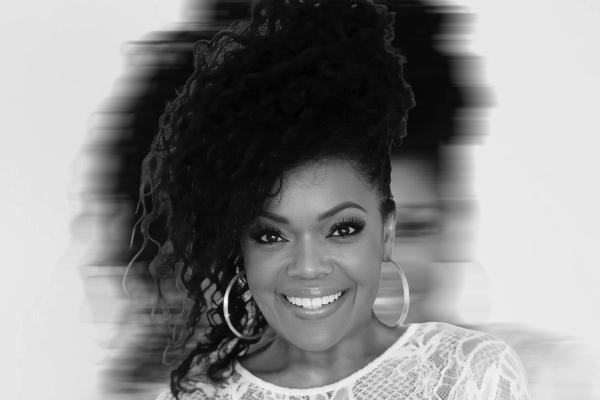
Photo of Aisha courtesy of Ashley Chupp Photography.
Then I remembered that my mother’s timeline had been cut short. I should not take the moments I have with her for granted.
Although my life does not look the way I thought it would, I can still make a difference. The first and most important difference is the one I make here at home.
My mother always lived fully, and I refuse to allow her final years to be defined solely by the suffering dementia brings.
She showed extraordinary strength and resilience while caring for a fragile premature baby, yours truly. She later fulfilled her dreams by starting a successful baking company.
She took pride in the quality of her work and fought for her family and for people in need.
I had the best role model a future caregiver could ask for.
If I can care for my mother half as well as she cared for me, I will know I have given her the best care possible.
Over the years, I have searched for resources to support my caregiving journey, only to find that very little information is designed for young caregivers.
Much of what I found was directed toward older adults and healthcare professionals. It often failed to offer culturally sensitive solutions for patients and families.
Social media communities, including Facebook groups for young caregivers, have provided some support. But they are not always racially diverse or focused on practical solutions.
I wanted the information and tools necessary to give my mother a positive end-of-life experience. I also wanted to find other people who understood my struggle and create safe spaces for the millions of young adults who will become caregivers.
That desire led me to create Our Turn 2 Care.
Our Turn 2 Care is a platform for marginalized millennial family caregivers that connects them with accurate information, culturally relevant resources, and one another.
No one likes to consider what happens when life does not unfold according to plan or when it inevitably reaches its end.
But we must begin thinking about death as part of life.
We must determine how to live our remaining days with comfort and dignity, fully loved and fully supported.
I wish my family did not have to watch my mother succumb to this deadly brain disease. I understand now that every person’s story unfolds differently.
To remain present, give love, and fight for those who cannot fight for themselves, these are my callings.
I will pursue them for as long as I am able.
It is my turn to care.