Practicing Empathy By Design
End-of-life care offers designers a powerful opportunity to practice empathy and rethink an experience every person will share.


August 8, 2017
Empathy is widely discussed as a critical element of great design.
In fact, one of the first statements in the Stanford d.school’s An Introduction to Design Thinking Process Guide is:
“Empathy is the centerpiece of a human-centered design process.”
But how many people interested in design practice empathy as a professional skill?
Many designers likely do. Yet it is worth considering how often we discuss the art of observation or learn about empathy in a workshop, then apply those skills only within the environments of our everyday lives and comfort zones.
There is a significant opportunity to exercise empathy by immersing ourselves in environments we do not encounter every day. These experiences can increase creative thinking and introduce a wider range of perspectives.
A Universal, Under-Designed Experience
The end of life is something every person will experience. Yet it is often overlooked, despite the extraordinary opportunity it presents to understand empathy at a deeper level.
It is striking how under-designed and over-defaulted the standard end-of-life experience remains.
How often can we say that 100 percent of human beings will experience something? Stop and consider that question. Reaching that 100 percent mark is rare.
Even though death is universal, the experience people envision for themselves often does not match reality.
According to the California Health Care Foundation report Final Chapter: Californians’ Attitudes and Experiences with Death and Dying, 70 percent of Californians said they would prefer to die at home.
Yet in 2009, only 32 percent of deaths in California occurred at home. That same year, 60 percent occurred in institutions such as hospitals or nursing homes.
Many systemic issues contribute to this gap. There is also a wide-open opportunity for designers to improve our collective human experience.
Closing the Gap Between Wishes and Reality
According to the same report, 82 percent of Californians said it was important to put their end-of-life wishes in writing. Only 23 percent had documented their preferences.
Nearly 80 percent said they would like to talk with a doctor about end-of-life care, but only 7 percent had done so.
Designers who value empathy and want to immerse themselves in end-of-life experiences can volunteer with local hospice organizations and support families during this stage of life.
Volunteering may not be the right first step for everyone. There are still many ways to learn about the opportunity designers have to improve how we approach the end of life.
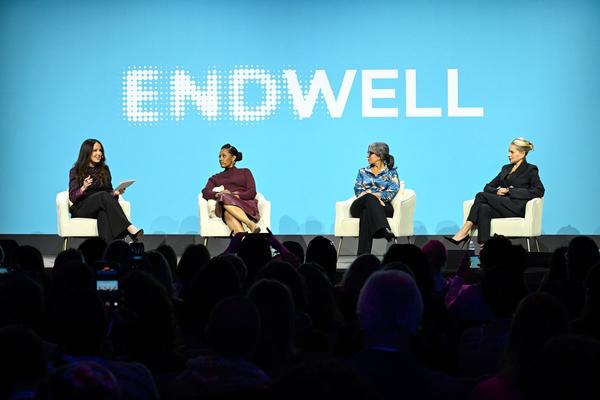
This December, End Well will bring together leaders from design, healthcare, policy, technology, the arts and patient advocacy for a one-day symposium.
This first-of-its-kind gathering will explore how we can make the end-of-life experience more human-centered.