


Death Ed for Teens
A high school experiment shows that teaching teenagers about death can help them understand what matters most in life.


August 6, 2018
Death is part of life, yet most of us would rather avoid acknowledging it.
More than three decades of palliative care research have shown that when people understand more about the end of life, they tend to live and die better.
Despite that, most of us know very little about death. Much of what we do know comes from television, where dying is often portrayed in ways that bear little resemblance to reality.
Why Are We So Bad at Dealing With Death?
It was not always this way.
For much of human history, people cared for dying loved ones at home. After death, the body might remain in the family parlor while relatives and neighbors gathered.
Death was expected, accepted, and prepared for.
That began to change during the 1930s.
Two professors of industrial hygiene at the Harvard School of Public Health used the motor from a vacuum cleaner to create a machine that would save thousands of children and adults dying from polio.
It became known as the iron lung. Its modern successor, the mechanical ventilator, is now found in intensive care units around the world.
Around the same time, physicians working on the battlefields of World War II and the Korean War learned to measure pressure inside blood vessels, perform resuscitation with fluids and plasma, and save soldiers from hemorrhage, shock, and infection.
Technology began saving people who once would have died.
It felt miraculous.
Many people began to believe that if machines could save children and soldiers, perhaps they could save everyone, including older adults, people with serious illnesses, and those who were already dying.
The End-of-Life Conveyor Belt
The result is what Jessica Zitter calls the end-of-life conveyor belt, a process she sees regularly in the intensive care unit.
People who are approaching the end of life may be connected to a series of machines and subjected to treatments designed to compensate for each organ as it begins to fail.
The final stop may be a long-term ventilator facility, where a person is surgically connected to a breathing machine.
Patients may have their arms restrained. They may be in pain or confused, with little understanding of what they agreed to or what their treatment would involve.
This is a growing public health crisis, and it is often far from what people would choose for themselves.
Avoiding the reality of death does not solve the problem.
Education can help people make decisions grounded in knowledge rather than fear or fantasy.
“Over the last century, we have forgotten how to die. And for that, we’re suffering greatly. Death ed is our attempt to bring some age-old wisdom back into the classroom so the next generation can live their lives fully, all the way to the end.” — Jessica Zitter, MD, MPH
Are Schools Teaching Death Education?
For the most part, no.
At the time this program began, its creators knew of only one similar curriculum, developed in upstate New York approximately 25 years earlier.
Creating a death education curriculum for high school students raised difficult questions.
Could discussing death deeply upset students? Would parents object? Could a student become overwhelmed or traumatized? Might the subject increase depression?
Jessica Zitter and Dawn Gross, MD, PhD, decided to find out.
The Death Ed Experiment
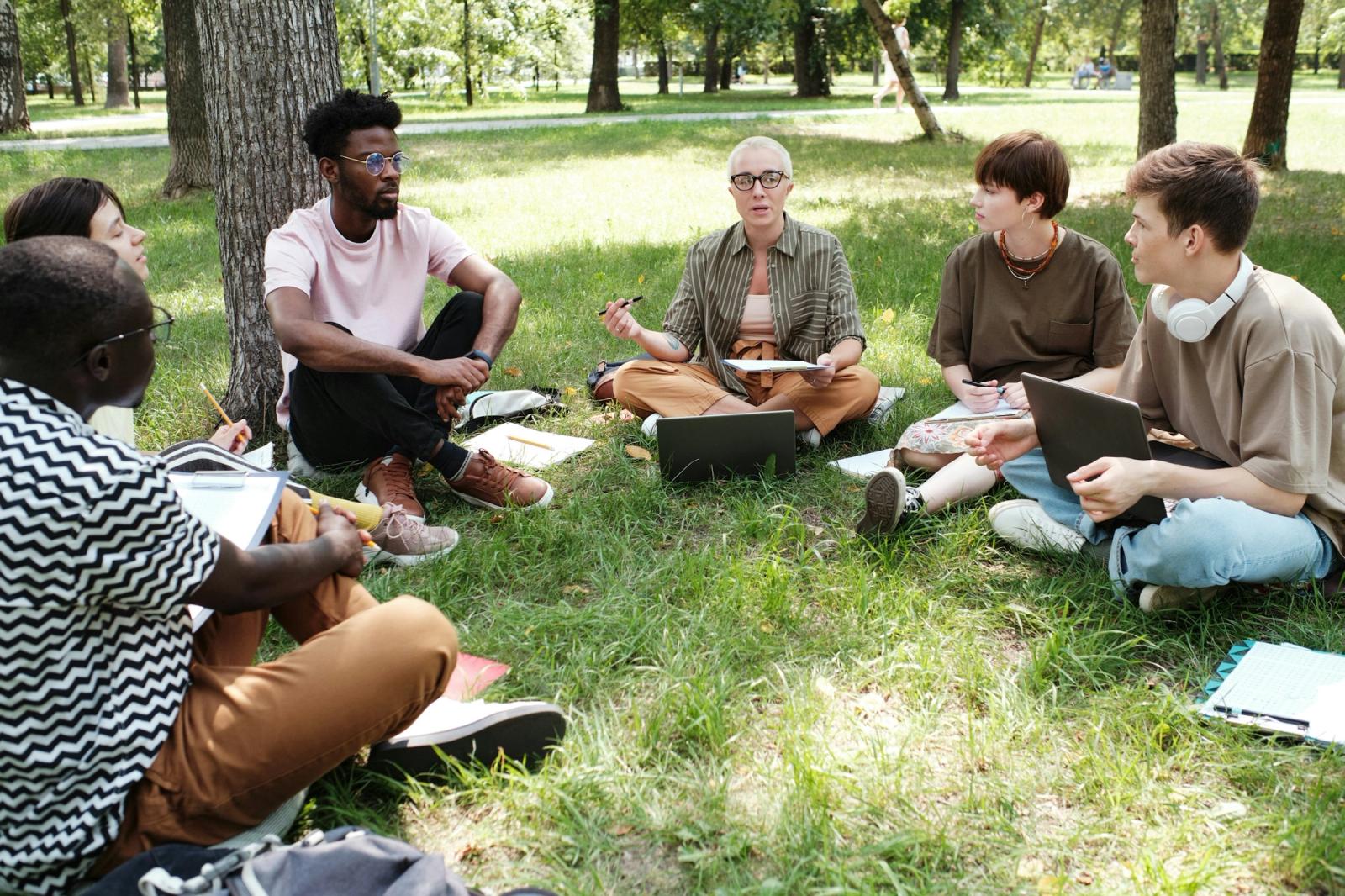
Zitter and Gross approached two high schools in the San Francisco Bay Area and asked whether they would pilot a death education program.
Both schools agreed.
To prepare, they assembled an advisory group made up of their teenage daughters and their friends.
They asked the teens how to make the curriculum engaging and effective. Their recommendations were straightforward:
- Use candy whenever possible.
- Movies never hurt.
- Make it interactive.
Part One: Death and Candy
The first day began with candy and a group activity.
Each student received several pieces of colored candy and was asked to place one in a jar when a particular experience applied to them:
Red: The death of a parent or sibling
Orange: The death of a grandparent, aunt, uncle, or cousin
Yellow: The death of a teacher, counselor, or coach
Green: The death of a pet
Purple: The death of an admired public figure
After everyone had added their candy, the students were asked what they noticed.
In every classroom, they made two observations.
There were more pieces of candy in the jar than people in the room, and every color was represented.
Death had already touched every student, often more than once. It would likely touch them again.
The exercise established why learning about death mattered. The next step was discovering what the students already believed they knew.
Part Two: Death and Movies
The students watched two videos.
The first was a scene from Grey’s Anatomy, one of their favorite television shows.
In the episode, the show’s heroine dies. The full force of the medical conveyor belt is used to revive her, and she returns to life.
By the end of the episode, she is sitting upright in her hospital room, exchanging a playful greeting with Dr. McDreamy.
The students were captivated.
When asked what they had seen, they quickly acknowledged that it was unrealistic.
But when asked what a real death looked like, they could not answer.
The class then watched a scene from the documentary Extremis, which features Zitter working in a hospital intensive care unit.
The film follows patients, physicians, and families confronting life-threatening illness. Many patients cannot express what matters to them, while their families have never discussed their wishes and do not know how to speak on their behalf.
The students were equally absorbed by this film.
This time, instead of laughing, they cried.
When the instructors asked whether they were okay and whether watching it had been appropriate, the students said yes. They believed the tears were important. Their emotional response showed why the subject needed to be discussed.
“In the days between class one and class two, we were terrified because we realized we had left these students in a place of caring about talking about death, but we hadn’t taught them how to. We were worried about how they would come back, if they would come back, for day two.”
— Dawn Gross, MD, PhD
The schools received no complaints.
The only calls came from people expressing gratitude that someone had been brave enough to teach the subject.
Teachers also reported that students had begun conversations about loss and death that had previously remained unspoken.
Part Three: Discovering What Matters
On the second day, the students explored what mattered most to them and practiced communicating it.
They played a card game called Go Wish, which asks participants to consider their priorities if they were facing the end of life.
As they played, something became clear: The students were capable of having these conversations.
Although the exercise asked them to imagine dying, it ultimately helped them identify what mattered to them while they were still very much alive.
In exit surveys, the vast majority said they were grateful to have participated.
Talking about what matters at the end of life can help us recognize what matters now.
That knowledge gives us a chance to live more fully, all the way to the end.



