The Privilege of Watching My Mother Die
After caring for her mother through ALS, Natasha Billawala identifies five ways to make dying more humane for families.


September 19, 2019
On December 12, 2012, my mother, Stella, was diagnosed with ALS, more commonly known as Lou Gehrig’s disease, and my world shattered.
I had no idea how I would live without my dear mom, let alone watch her become paralyzed and face the uncertainty of how she would die. My father had died just two years earlier, and facing another loss seemed insurmountable.

At the time of her diagnosis, I was given the opportunity to do intensive therapeutic work. I thought immersing myself in personal development would help me navigate the abyss of my mother’s care. Instead, I found myself in the middle of a process that pushed me further outside my comfort zone and challenged me to examine how I interacted in all of my relationships, especially the one I had with myself.
Four months into the process, I questioned what I was doing. But as I continued exploring my beliefs and behaviors, I discovered traditional and nontraditional healing practices that helped me move through my feelings and showed me how to live well in any circumstance.
My challenges did not necessarily change, but my approach to them did. I understood that caring for myself was crucial to living well and that taking better care of myself allowed me to take better care of my mom.
The results of that healing work were profound. By the time my mom died, I never felt as though she had left me. Her death in 2015 was devastating, but as soon as she passed, I experienced an unexplainable sense of contentment that inspired me to write my first book, The Privilege of Watching My Mother Die.
I now say that ALS was my mom’s final and greatest gift to me.
Loss is overwhelming on its own. Illness, difficult family dynamics, financial limitations, and other circumstances can compound an already distressing experience.
It is time to stop avoiding our fears about loss and what happens after death. We can approach these issues proactively, in ways that support our well-being, rather than pretending we are coping while suffering inside.
Somewhere in our evolution, we decided that avoiding certain subjects would allow us to escape the pain and awkwardness surrounding them. It is time to speak frankly about death, illness, belief, and mental health, and even find some joy in doing so.
Living consciously is far more fulfilling than remaining blind to what challenges us.
Creating a more humane end-of-life experience will require meaningful changes. These five opportunities could make a profound difference.
Honor Mental Health
Some experiences are too difficult to handle alone, and some are too meaningful to keep to ourselves.
We all need perspective and emotional support, especially when confronting loss. There were many moments when I had to choose between being a daughter and being a caregiver. Having a place to discuss the weight of that responsibility was vital.
Provide Empathetic Medical Care
Empathy requires feeling alongside a patient or caregiver. That can be difficult when healthcare professionals have never seen this kind of behavior modeled.
The doctors who told my mother she had ALS did so in a detached, dismissive manner, then ushered us out the door while we were still shell-shocked.
The hospice company provided supplies and basic medical care, but empathy and compassion were severely lacking. It felt as though corporate control had drained the humanity from the organization.
Empathy training in medicine could make a world of difference.
Plan Your Trust and Estate
My parents planned for their deaths while they were healthy. As a result, I understood their advance healthcare directives and knew how they wanted their remains handled.
Establishing a trust allows loved ones to prepare before a crisis occurs and can relieve a great deal of unnecessary pressure and uncertainty. People may assume it is unaffordable, but it can cost less than probate.
Consider a Death Doula
I did not learn about death doulas until after my mother died, but I would have welcomed the opportunity to have someone guide me through the process.
We have doulas to help bring people into life. Why shouldn’t we have someone to support us as we leave it?
Make Space for the Lasts
I was acutely aware of lasts during my mother’s illness.
Would this be our last meal alone? Would this be the last time we shopped together? Would this be my last Mother’s Day with her?
I discovered that not every final moment is precious. There can be tremendous pressure to make each one meaningful when someone is dying.
Acknowledging that allowed me to be with my mother without letting fear dominate my thoughts.

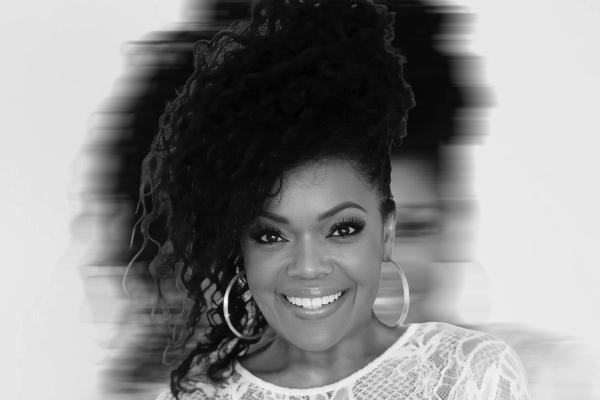
Photo of Natasha Billawala