Grief at Work
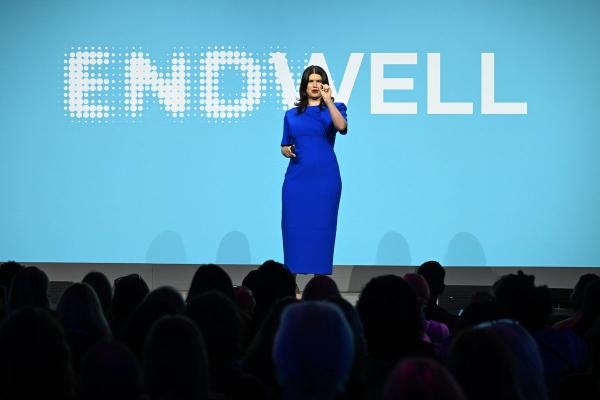
When Rebecca Feinglos, MPP, lost her father, she experienced what so many people do: a system that doesn’t know how to make space for grief.


November 20, 2025
When Rebecca Feinglos, MPP, lost her father, she experienced what so many people do: a system that doesn’t know how to make space for grief. Now, drawing on her background in public policy, Rebecca helps others turn personal loss into collective change. She believes that our stories aren’t just reflections of what’s broken. They’re roadmaps for what could work better.
Policy Starts with Us
Policy change doesn’t always begin in the halls of government. It often starts in workplaces, hospitals, schools, or moments of personal reckoning, when something feels deeply wrong, and we decide to do something about it.
This guide invites you to think like a policymaker in your own life, to notice, name, and act on what’s not working.
Policy isn’t just about laws and rules. It’s about people. The most powerful changes often begin with someone sharing a story that refuses to be ignored. This guide is here to help you take the first brave steps: shaping your story into action, and action into policy. You may not be able to answer all of these questions right now, but you can start where you are with the information you have.
Policy starts with us, right now.
1. Name the Problem
Every change starts with naming what doesn’t feel right. Often it’s a moment that sticks with you, something you saw, lived, or heard that made you think, “This shouldn’t be how it works.”
- What’s one end-of-life policy, rule, or practice you think needs to change?
- What would you like it to be instead?
2. Connect It to Your Story
Policies can feel abstract until we share how they touch real lives. Your story is the bridge between an idea and a human impact. It shows decision-makers why this matters.
- Why does this matter to you?
- What’s your personal experience with it? What happened, and who was affected?
- Who else has had a similar experience? How are their stories like yours or different?
3. Understand the Landscape
To make change, it helps to understand the bigger picture. Policies don’t appear out of nowhere. They’re shaped by history, power, and competing needs. Learning the landscape helps you find the cracks where change can break through.
- Why do you think the rule is set up this way, now? Who benefits from it staying the same?
- What would need to happen for it to change: a new law, a new rule, or a shift in practice?
- Is there a moment that makes this issue especially timely, like a legislative session, a major event, or an example of change from somewhere else?
4. Identify Decision-Makers
Stories gain power when they reach the right ears. Every policy has gatekeepers, the people with the authority to change it. Your job is to figure out who they are and how to reach them.
- Who has the power to make this change: an elected official, a hospital leader, a committee?
- Which of them represent your community or workplace?
- Who is one decision-maker you could share your story with first, and how can you reach them?
5. Make Your Move
Big wins start with small steps. You don’t have to do everything at once. The important thing is to take action, however modest, and then keep going.
- How do you want to share your story: letter, email, phone call, meeting, social media?
- When could you do this in the next week or month?
- What’s one simple way to follow up: an email, a thank-you note?
6. Build Your Circle
Policy change is not a solo act. Allies and community give your story weight, momentum, and staying power. Together, voices become harder to dismiss.
- Who else cares about this issue?
- What groups, coalitions, or organizations are already speaking up?
- Who could be a partner: friends, colleagues, neighbors, faith or community leaders?
- How could you invite others to share their stories alongside yours?
- What’s one step you can take to connect with them this month?